
The Difference Between Value Demand, Failure Demand and Avoidable Demand
Not all customer contact is equal.
Some contact is useful. It is the reason your contact centre exists. A customer wants to buy, apply, change, renew, ask, book, resolve or understand something. That is demand you should expect, welcome and design for.
Some contact is not useful at all. It only happens because something has gone wrong. A customer is chasing a missing update. Repeating information. Asking why a refund has not arrived. Calling back because the last answer did not solve the problem. That is failure demand.
Then there is a third category that often gets missed: avoidable demand.
Avoidable demand is contact that could have been prevented with better communication, better journey design, better self-service, better IVR routing, better digital content or better proactive updates.
For contact-centre leaders, the distinction matters.
Because if you treat all demand the same, your only options are to add more agents, push harder on average handling time, add more channels, or introduce automation to absorb the volume.
But if you understand what type of demand is coming in, you can start to reduce the work at source.
That means lower cost, better customer experience, less pressure on agents and more capacity for the contacts that genuinely need human help.
The Hidden Causes of Repeat Contact in Financial Services Contact Centres
Many contact centres respond to rising demand by adding more resource. The problem? Capacity is rarely the root cause. This article explores why customers keep making repeat contacts, where avoidable demand really comes from, and how operations leaders can uncover the hidden issues driving unnecessary volume.

Why Your Busiest Days Might Be Your Biggest Problem
Think about the contacts coming into your operation today.
How many of them are customers calling back because their issue wasn't resolved the first time? How many tried the app or the website, hit a wall, and picked up the phone out of sheer frustration?
We all know the industry term: failure demand.
It refers to the contact that comes in not because a customer wants something new - but because something in your operation didn't work properly the first time around.
And for a lot of contact centres, failure demand makes up a bigger slice of overall volume than anyone would care to admit.
Net Promoter Score (NPS) in contact centres: why it doesn’t tell the full story
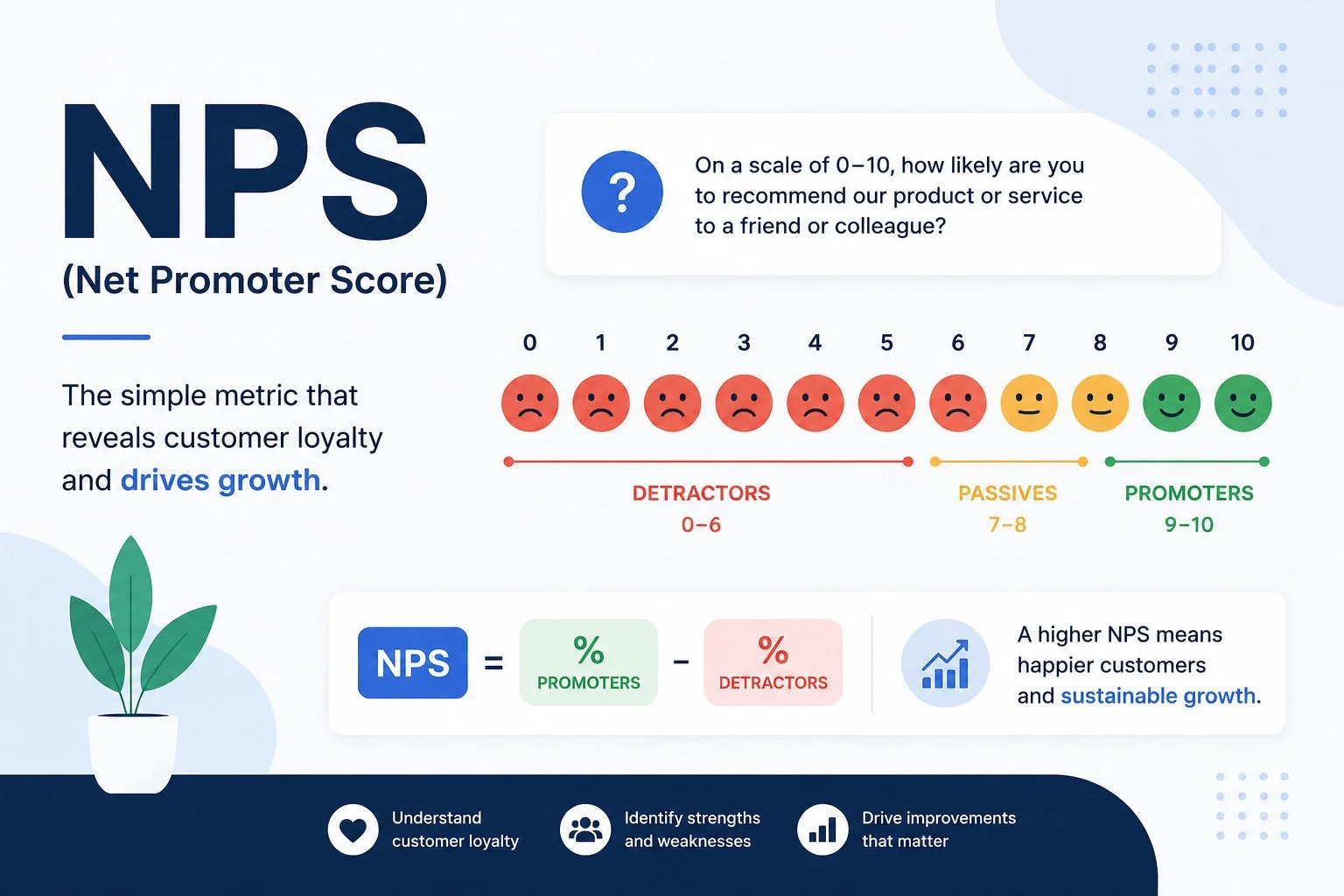
Net Promoter Score (NPS) is one of the most widely used measures of customer experience.
It is simple to implement, easy to communicate and provides a quick indication of how customers feel about a service or organisation. For many contact centres, it has become a widely accepted benchmark.
However, despite its popularity, NPS does not always tell you what is actually happening within a contact centre, and when too much weight is placed on the score in isolation, it can lead to decisions that fail to address the real drivers of performance.
Why IVR is Critical to Contact Centre Performance
Why IVR still matters in modern contact centres
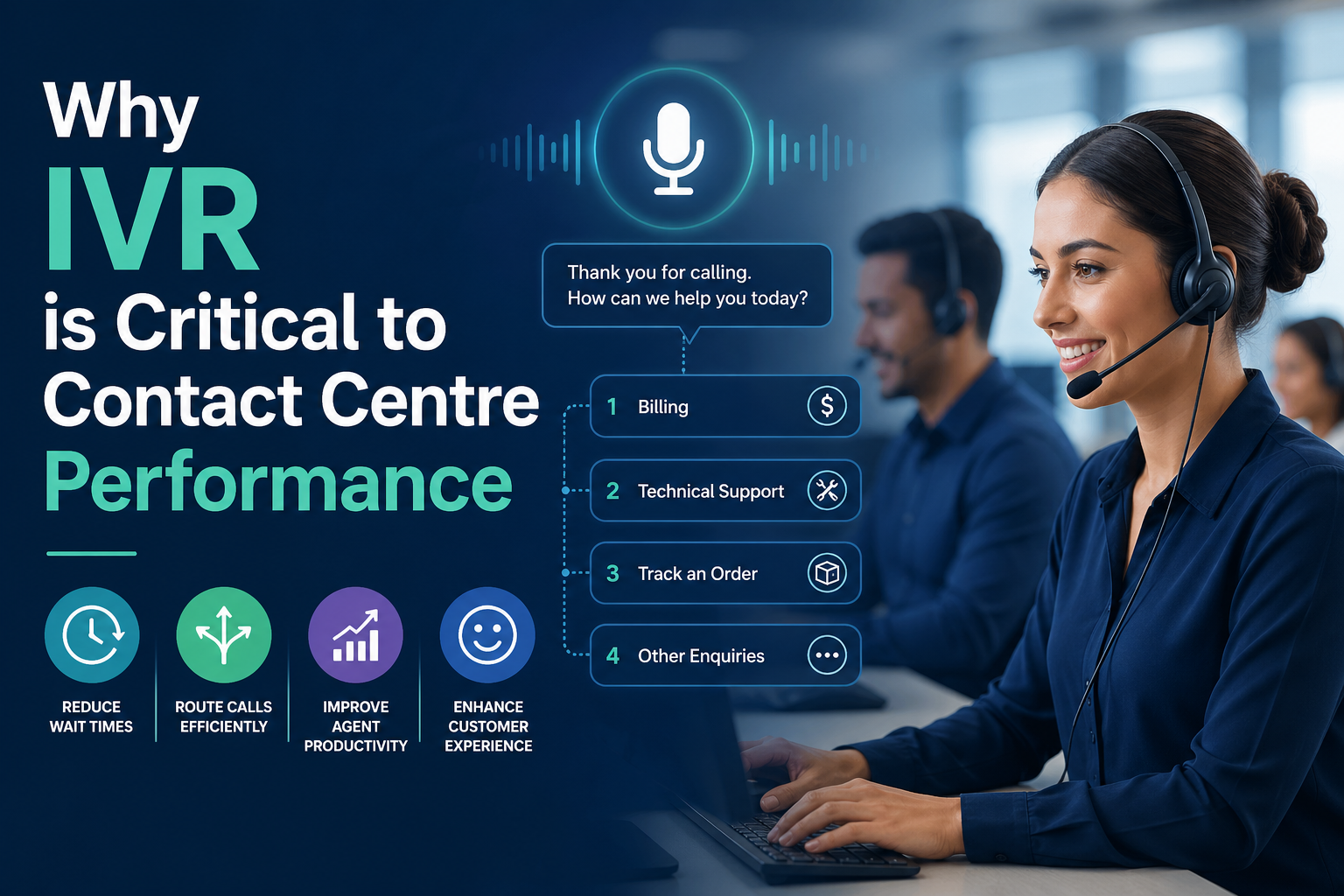
In a sector focused on digital transformation, AI and new customer channels, it’s easy to overlook one of the most important parts of the contact centre experience - IVR.
For many organisations, voice remains the highest-volume and most critical channel. Customers still pick up the phone when their query is urgent, complex or when other channels haven’t delivered. And when they do, the IVR is their first interaction.
That makes it more than a routing tool. It is a key driver of both customer experience and operational performance.
NextGenCX at the Contact Centre Summit: conversations that matter
NextGenCX will be attending the Contact Centre Summit this May, at a time when there is no shortage of ideas about how contact centres should evolve.
For many leaders, the challenge is not a lack of ideas or technology, but the reality they are operating in. Demand remains high, expectations continue to rise and teams are often managing competing priorities with limited time to step back and assess what is really driving performance.
Events like the Contact Centre Summit offer a rare opportunity to pause, step outside the day-to-day and have more considered conversations about what is actually getting in the way of progress.

Why operational improvements fail without frontline involvement
Most contact centre improvement programmes don’t fail because the strategy is wrong.
They struggle because the people expected to deliver the change haven’t been properly involved in shaping it.
There is often an assumption that if you design a better process, introduce a new system or redefine a journey, improvement will naturally follow. On paper, that logic makes sense, but in practice it rarely plays out that way.
Operational change doesn’t live in strategy decks. It lives in day-to-day behaviour, carried out by frontline teams.

Your Contact Centre Agents Have the Answers… Are You Sidelining Them?
Your agents are the people who speak to your customers every single day.
They’re the ones handling complaints at 9am, solving problems by lunchtime, and fielding the same frustrating question for the tenth time that afternoon.
So it figures they have a good handle on what’s driving call volumes, which online processes need improvement and what drives customers mad!

We’re Now Cyber Essentials Certified – Here’s Why That Matters to You
We’re pleased to share that NextGenCX has achieved Cyber Essentials certification an important milestone that reinforces our commitment to keeping client data safe and secure.
For the contact centres we work with, trust and peace of mind matter. This certification provides independent assurance that strong, practical cyber security controls are in place and that security is built into how we work, not treated as an afterthought.
Is Your Contact Centre Really Ready for AI?
Artificial intelligence is no longer a future concept for contact centres, it’s already reshaping how customers are served and how operations are run.
From real-time agent assist and conversational AI to automated quality assurance and predictive analytics, the potential is enormous.
The uncomfortable truth we see every day:
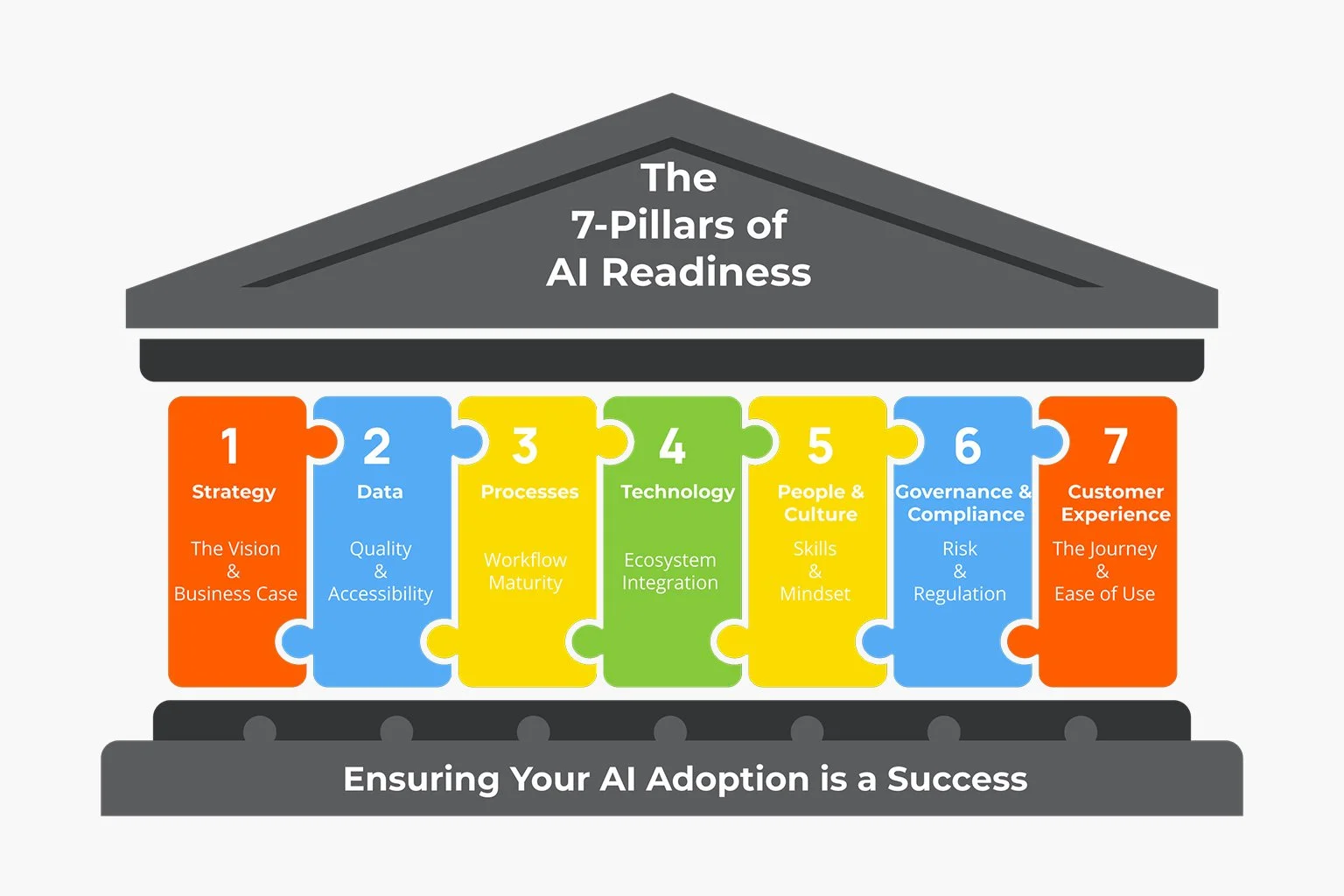
Most contact centres are not ready for AI… even if they think they are!

From Compliance to Clarity: Why Regulated Industries Need Professional Voice Messaging
The Compliance Challenge in Contact Centres
If you work in a regulated industry, you’ll know that customer communication is under constant scrutiny. Whether it’s financial services bound by FCA rules, healthcare organisations guided by NHS standards, or utilities regulated by Ofgem, every message you deliver needs to be accurate, consistent, and easy to understand.
That includes your IVR (Interactive Voice Response) system. When callers are greeted with unclear, outdated, or poorly recorded voice prompts, it doesn’t just frustrate them, it could put your organisation at risk of breaching regulations.
Beyond Good: Why Exceptional Customer Service Is Now a Business Imperative
Why "Good" Customer Service Just Isn’t Good Enough Anymore.
In a world where 80% of the UK’s GDP comes from the service sector, customer experience is no longer a “nice to have” it’s the backbone of sustainable growth.
After attending the latest UK Customer Satisfaction Index (UKCSI) webinar this morning, one thing became clear: the businesses that prioritise customer satisfaction are not just doing better they’re outperforming their competition across every measurable metric.
If your business is still treating customer service as an afterthought or a cost centre, it’s time for a serious rethink.